Design craft, end‑to‑end
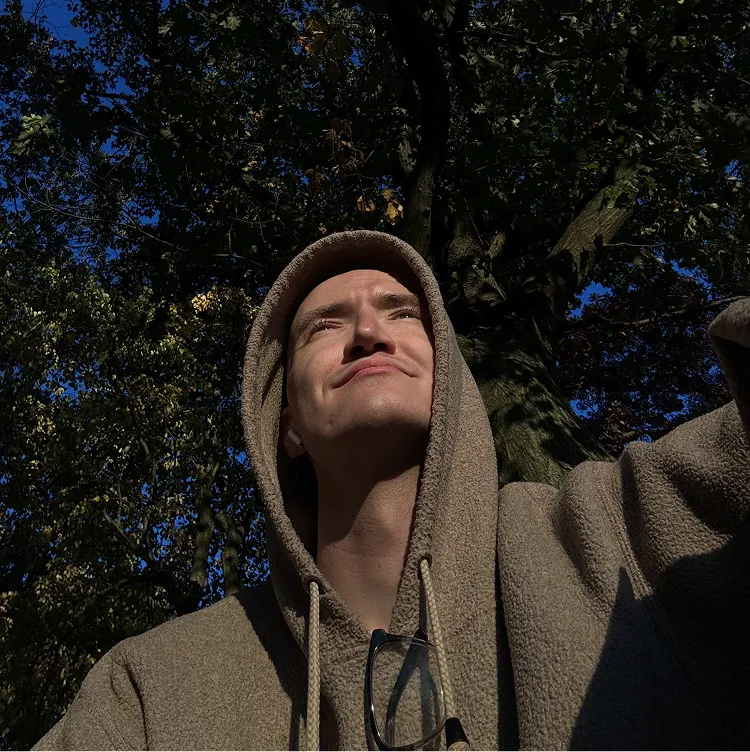
Hi there! I’m Joseph, a human-centered digital product designer aligning UI/UX solutions, brand identity, and visual systems with user goals, stakeholder visions, and organizational strategy.
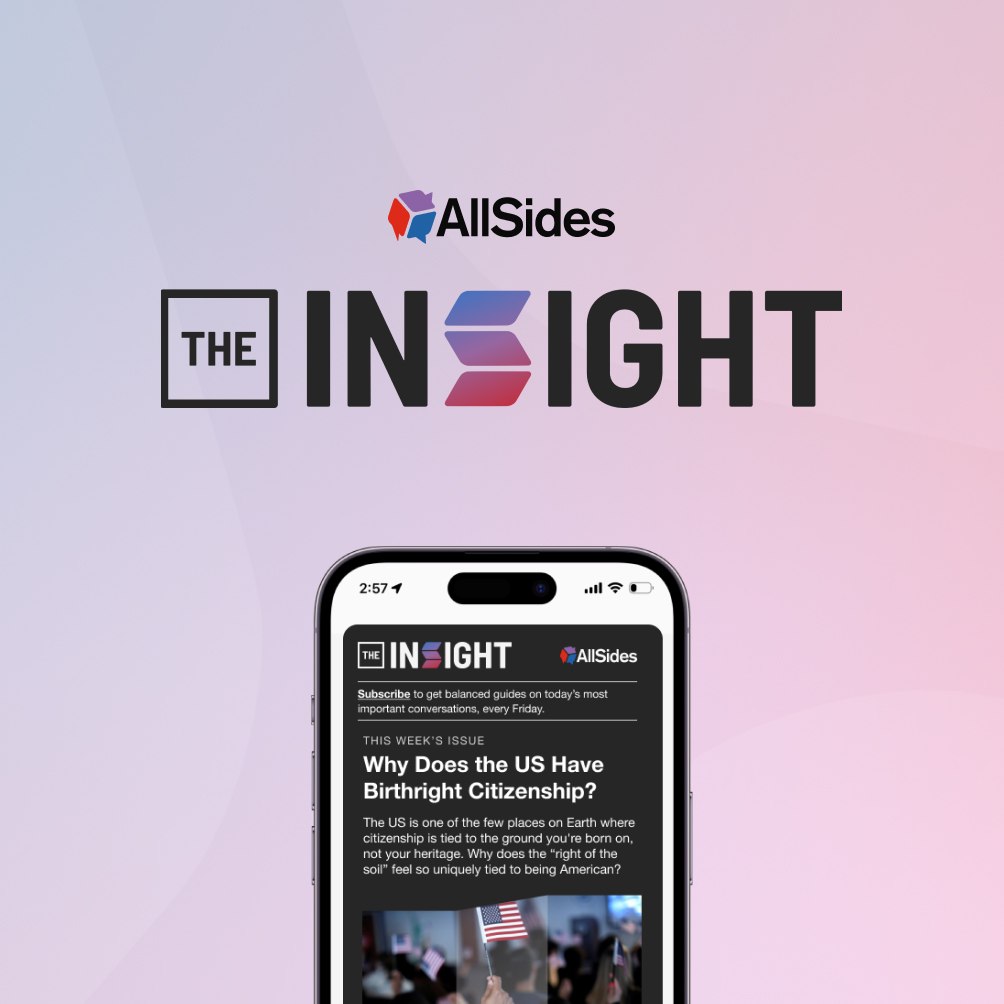
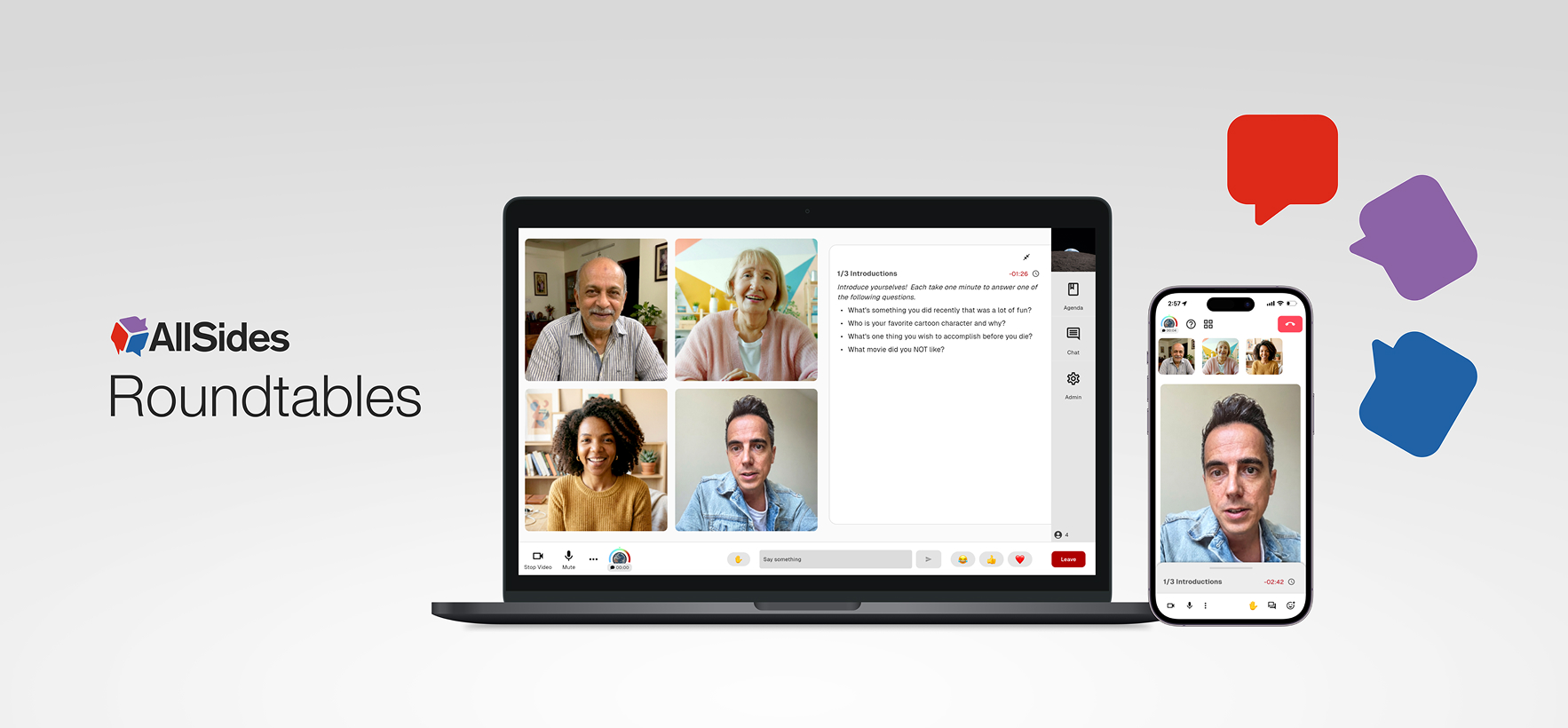
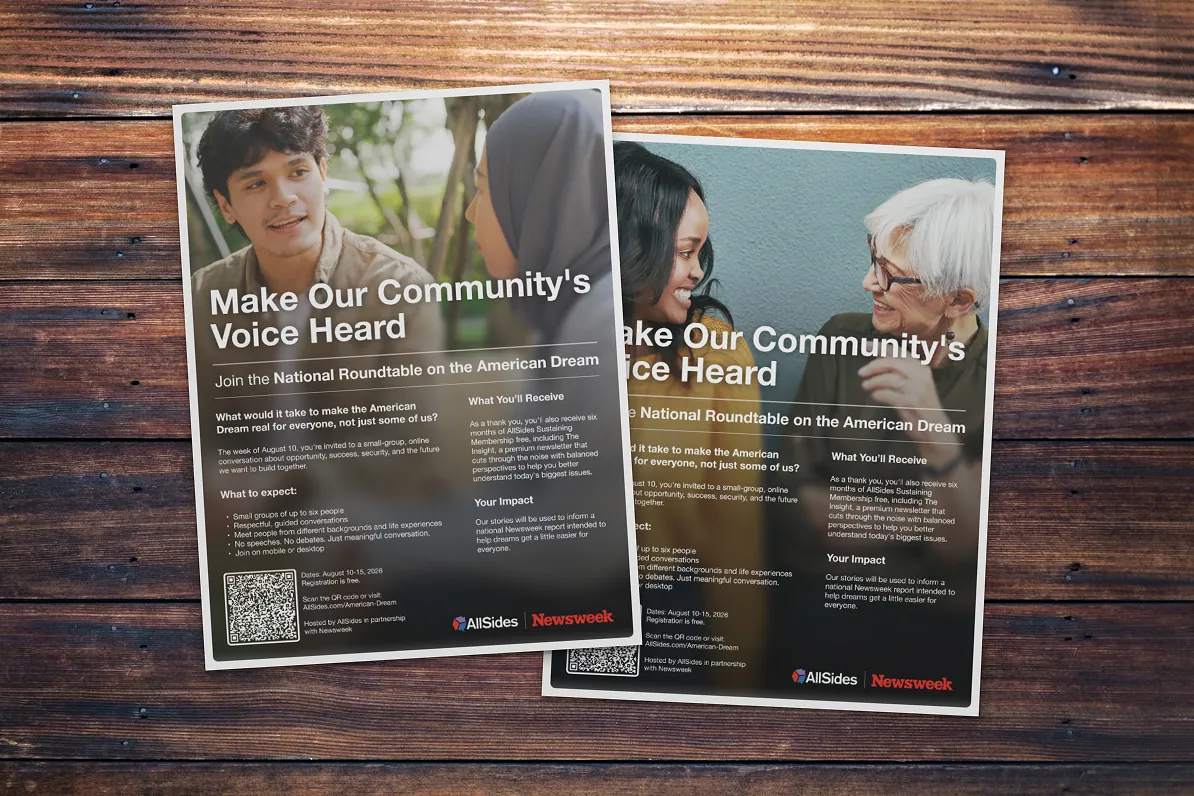
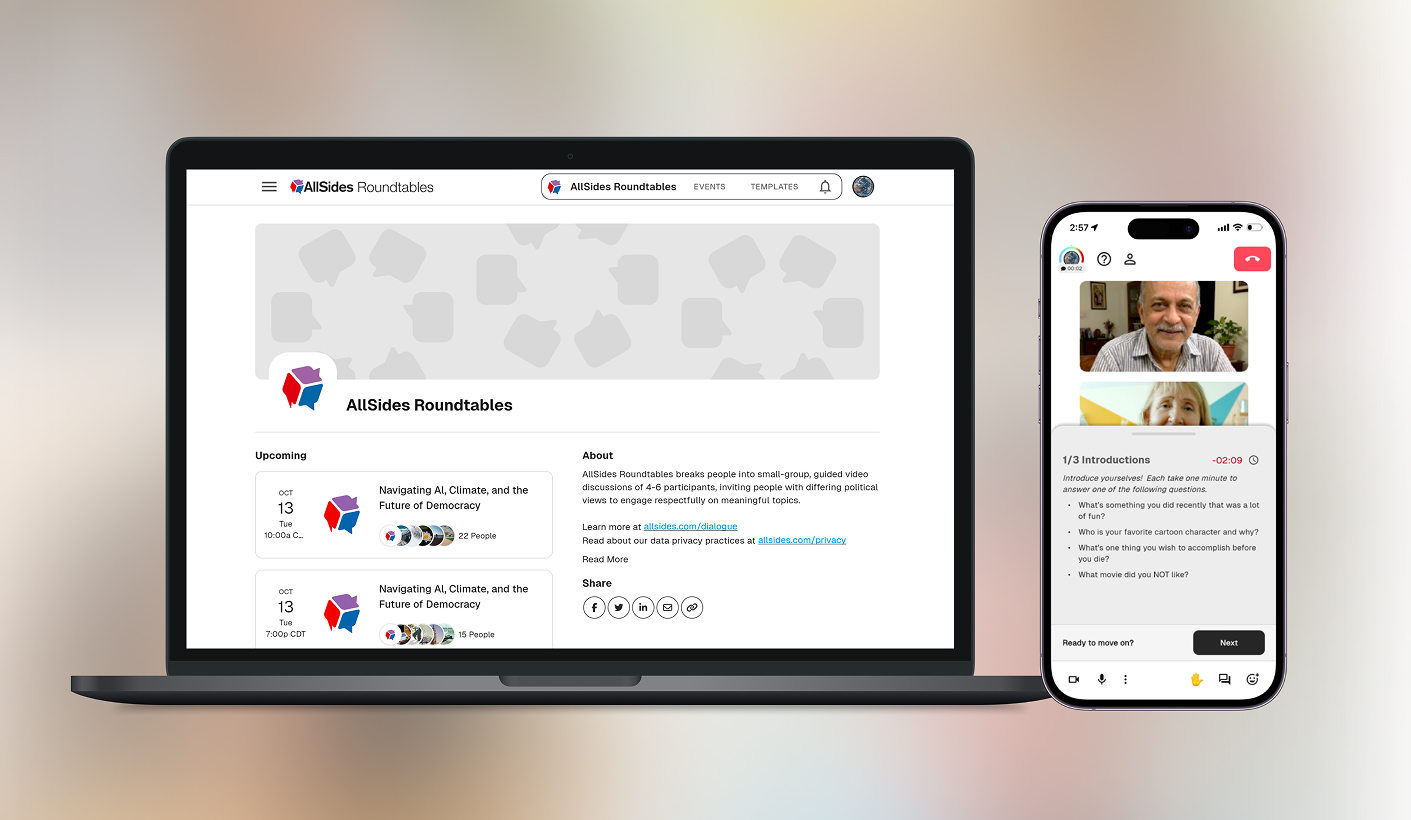
Currently building for subscription news media and civic tech at AllSides.
I am a lifelong design thinker, enthusiastic collaborator, and lover of story-driven craft.
After earning my MA from Carnegie Mellon University's School of Design, I expanded my design focus to align visual and interactive systems.
I started my career as a news editor at AllSides, where I added editorial quality and journalistic rigor to news analysis and media literacy content. I carved out a design role for myself, expanding my contributions from visual design to UI/UX. I now support projects cross-functionally throughout the company’s content and products, shipping high-quality designs that promote brand values.
My design approach applies big ideas — systems, metaphors, mental models — to everything from micro-interactions to brand strategy. Read more about my approach →
In my spare time, I'm busy getting lost in the woods, twisting myself in knots at my local yoga studio, and sipping a cappuccino at a coffeeshop near you.
For inquiries, reach out at josephratliff.design@gmail.com.

Case Studies





Other Projects
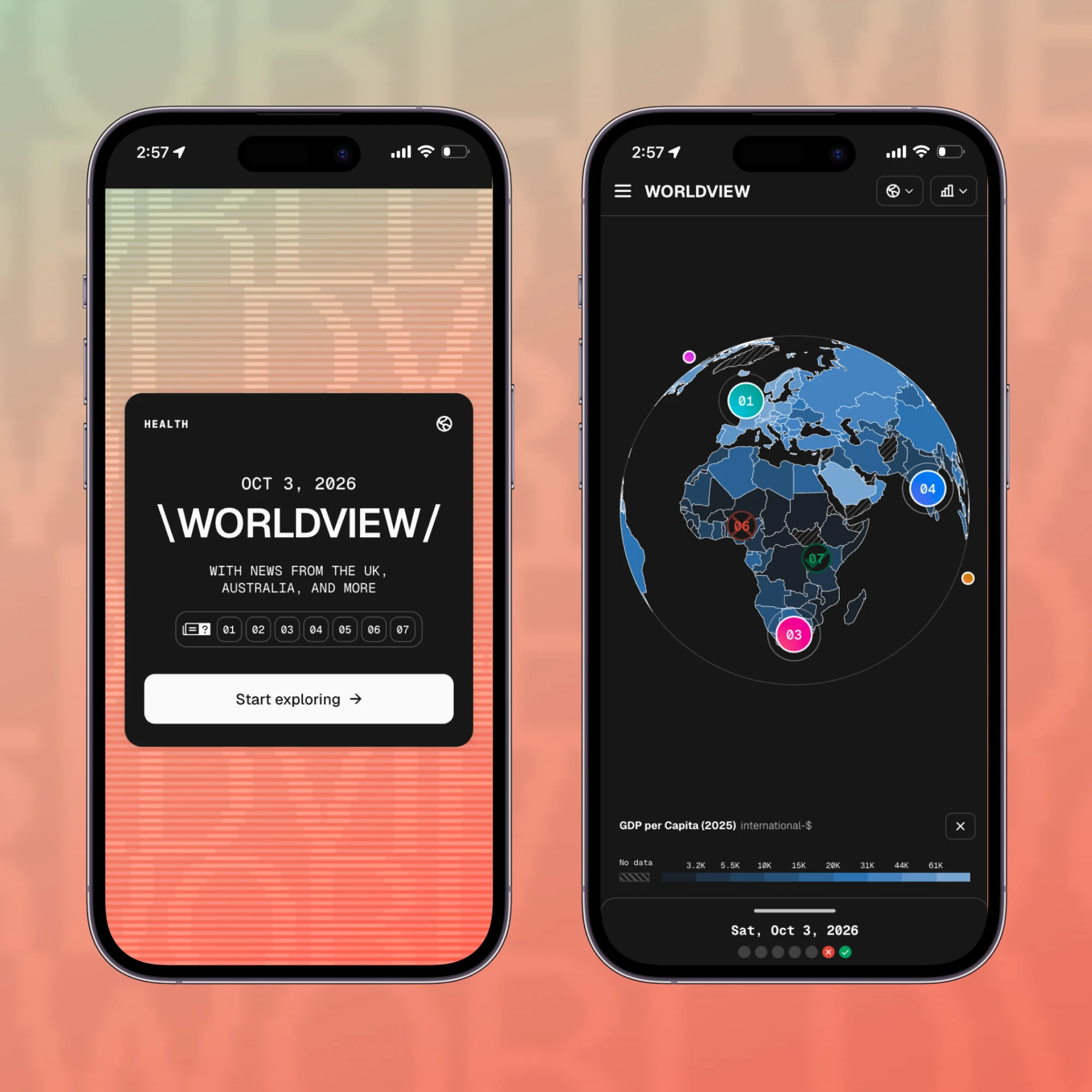
Worldview: A Daily Global Context Game
A daily game for building context on what’s happening around the world
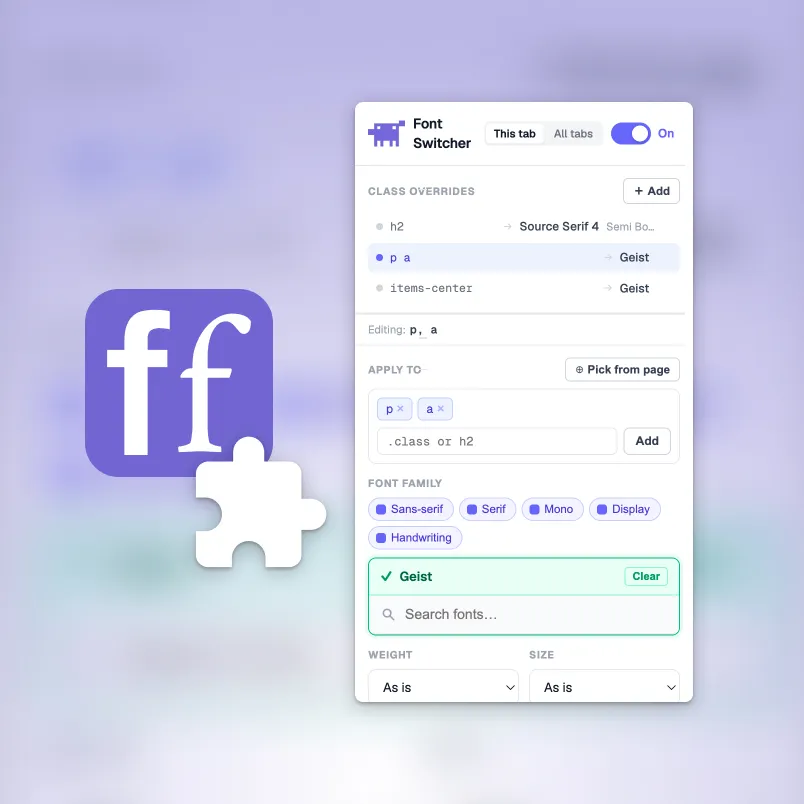
Font Switcher Chrome Extension
Building an internal design tool with Claude Code
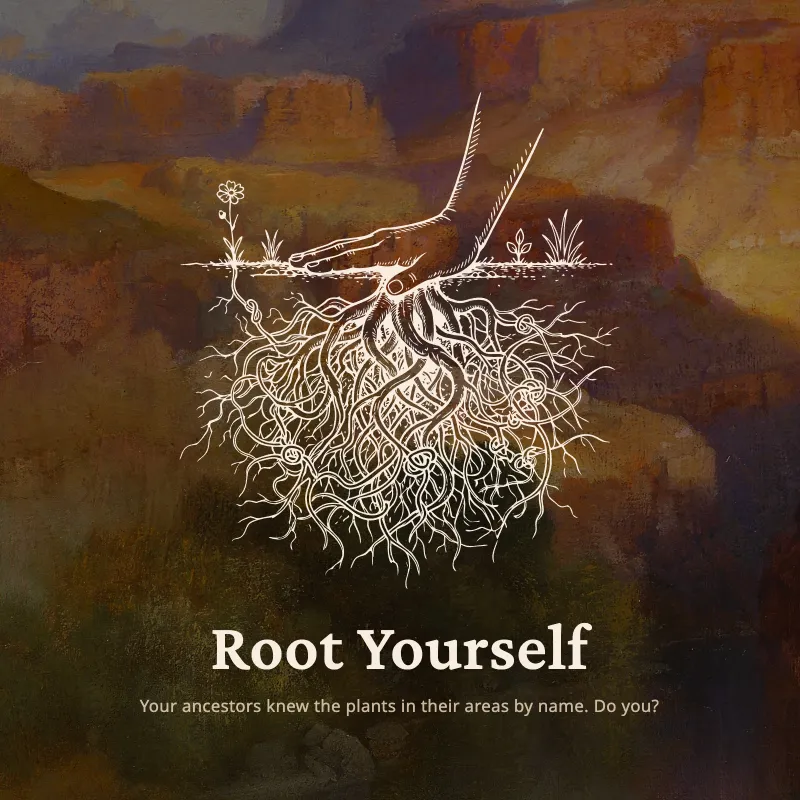
Root Yourself: Local Plant Identifier Game
Exploring connections to players' bioregions via plant identification
Doomscroll Timer: Seamless Attentional Controls
An intervention against addictive vertical video apps
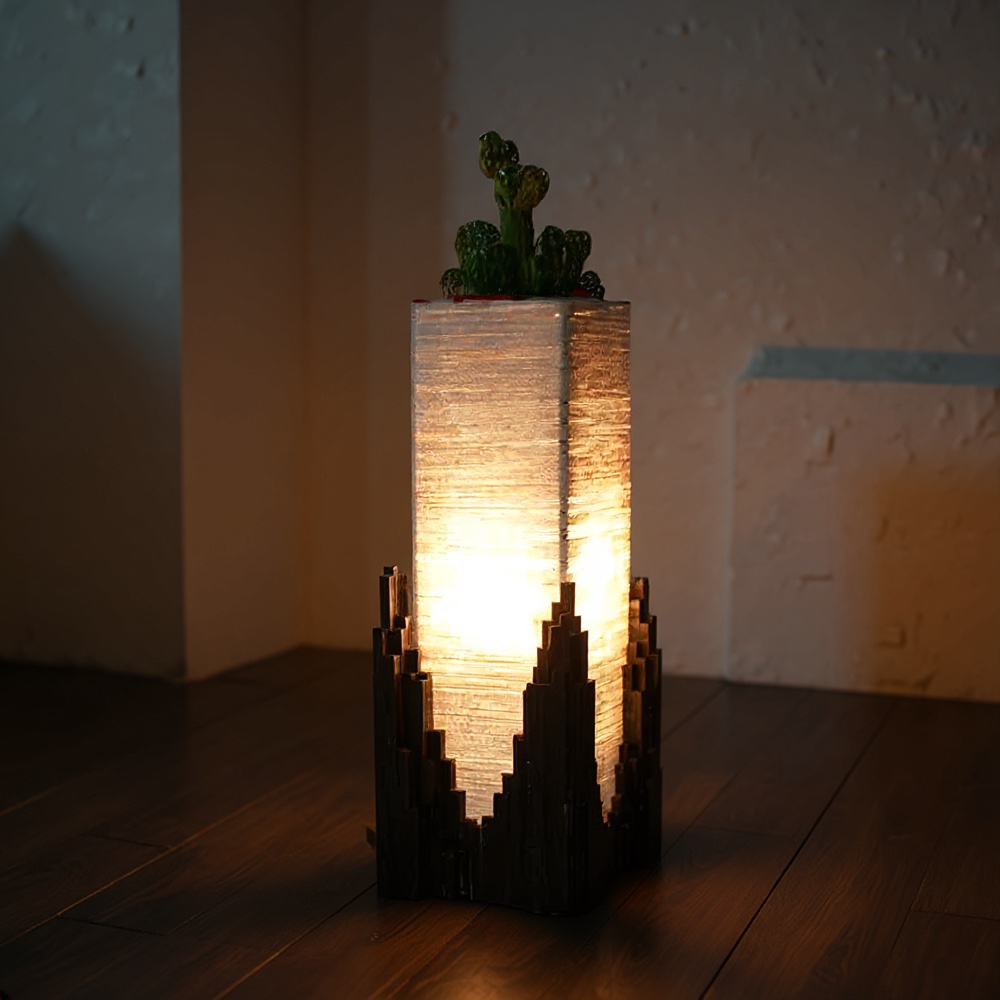
Sustainable Materials Lamp
Made from locally-sourced reclaimed wood, inspired by basalt columns
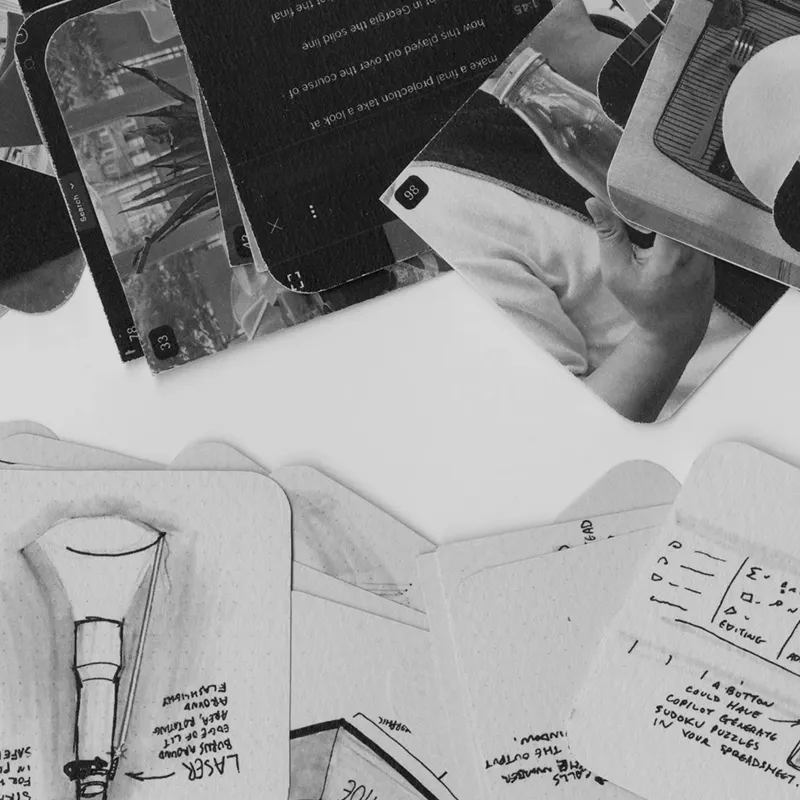
100 Days of Creative Reuse+Redesign
Challenging myself to imagine alternative utility
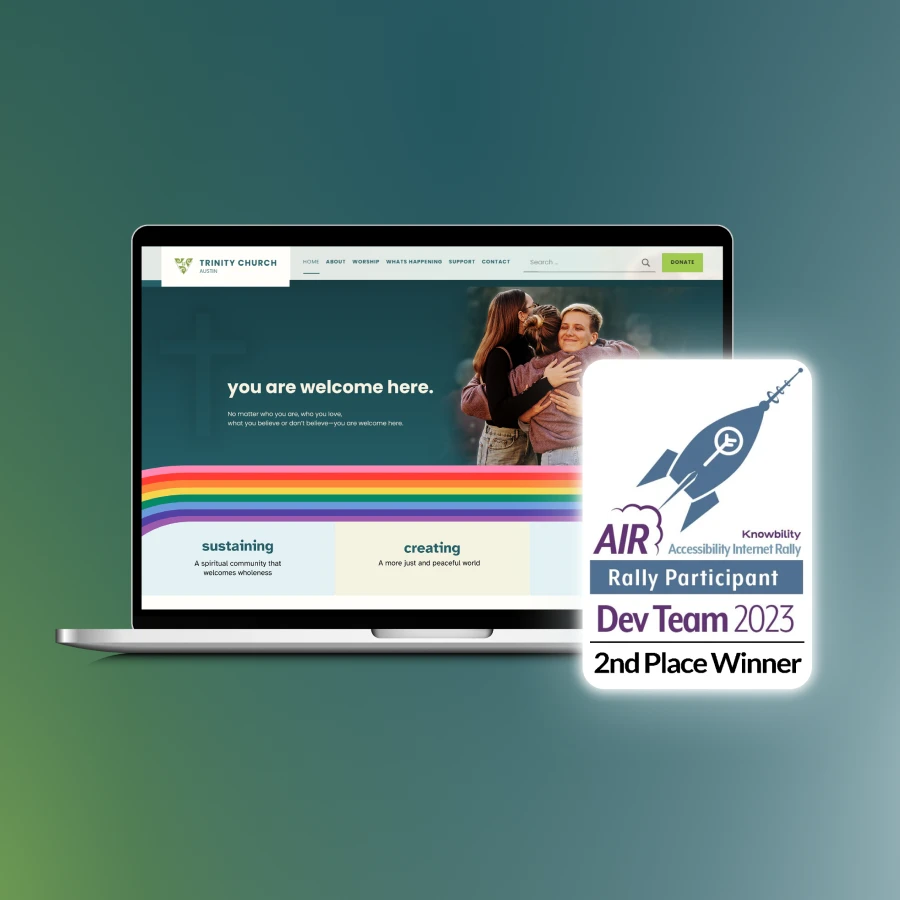
Accessible Web Redesign with UXSA
Infusing values and accessibility into an inclusive church's website
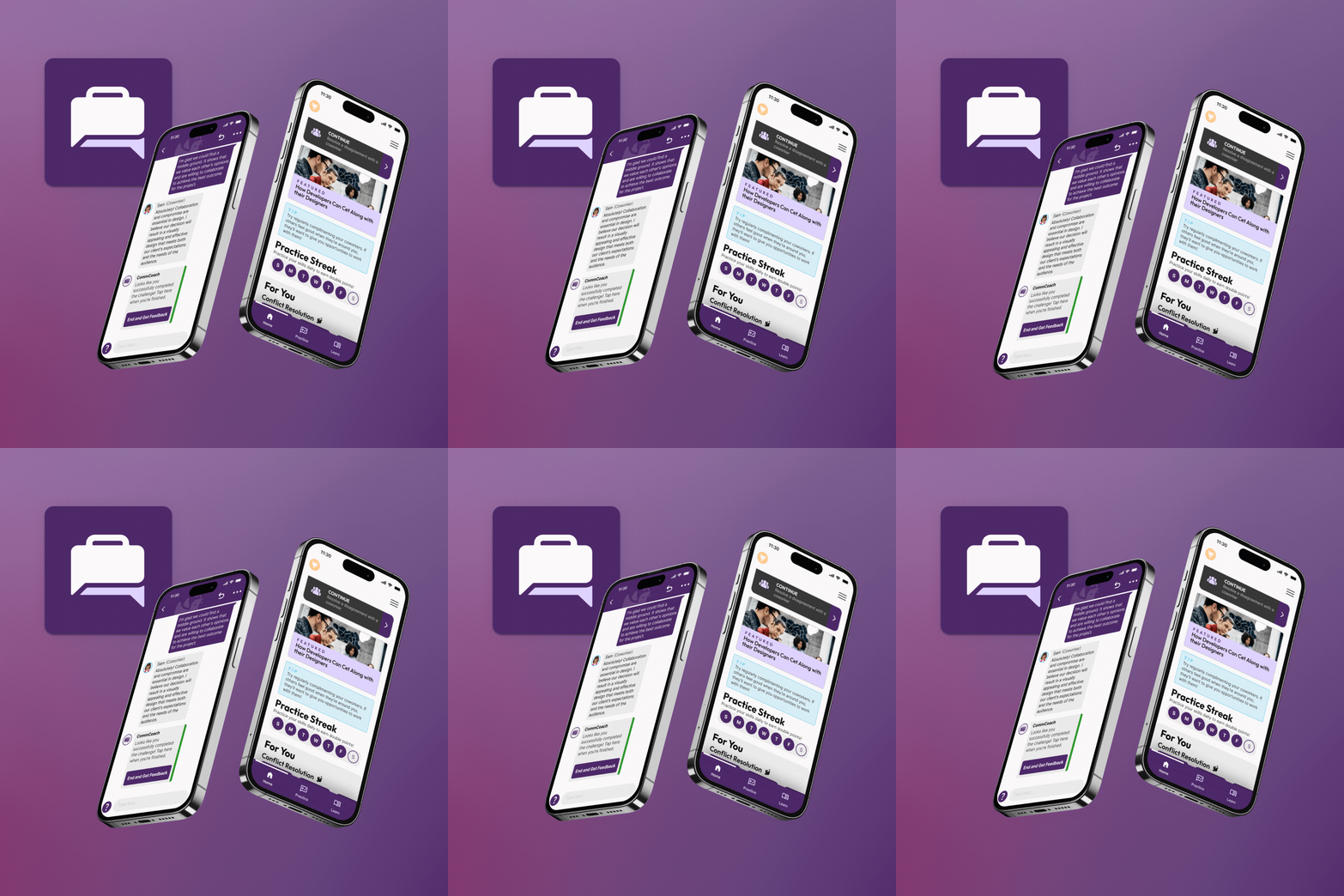
CommCoach: AI Soft Skills App Concept
Gamified AI conversation challenges for practicing workplace soft skills
Writing


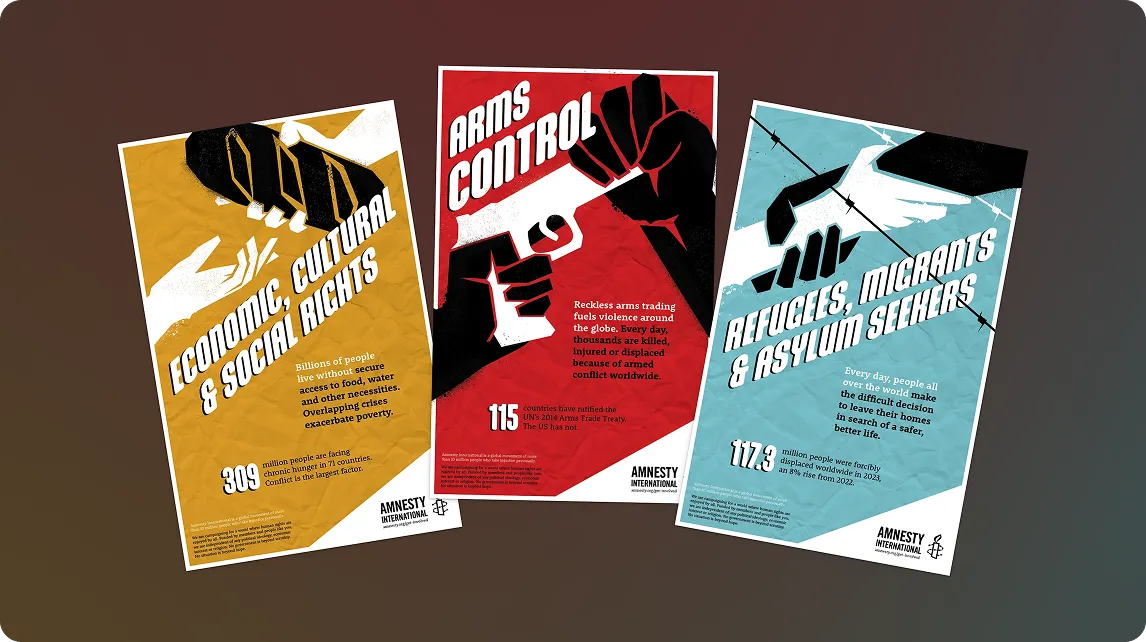
Read my writing about global news stories
Analyzing current events and media trends in daily published articles, 2020–2024
Selected published works
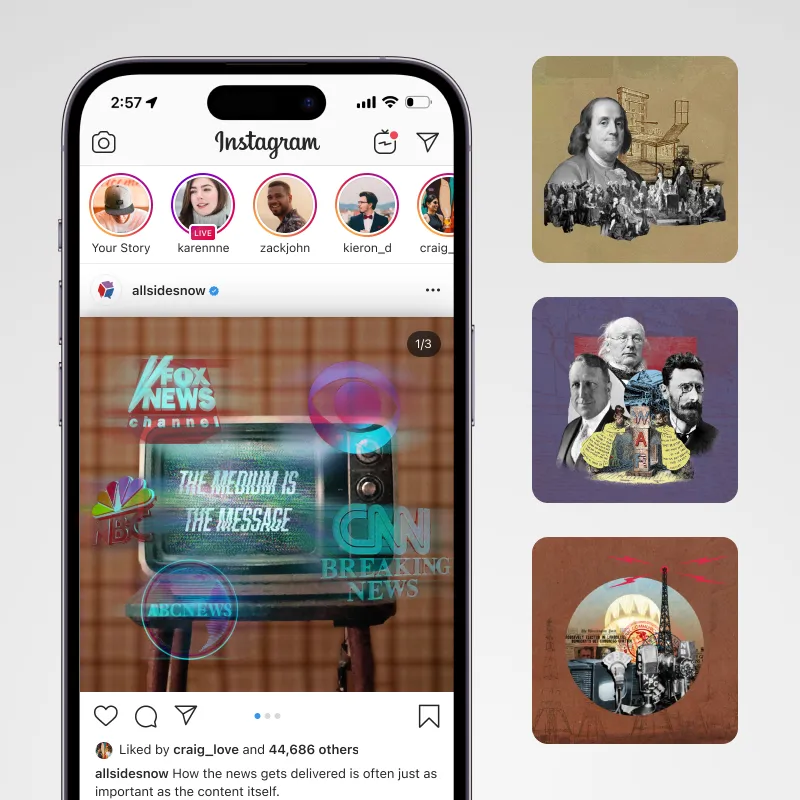
Newsletters, media analysis, and commentary published on MuckRock, AllSides, and Substack
Extras
Code Contributions
Recent git commits made while bringing my design process to code using AI
Endorsements
Real (selectively chosen 😉) feedback I’ve gotten on past work


Three Books I’d Recommend
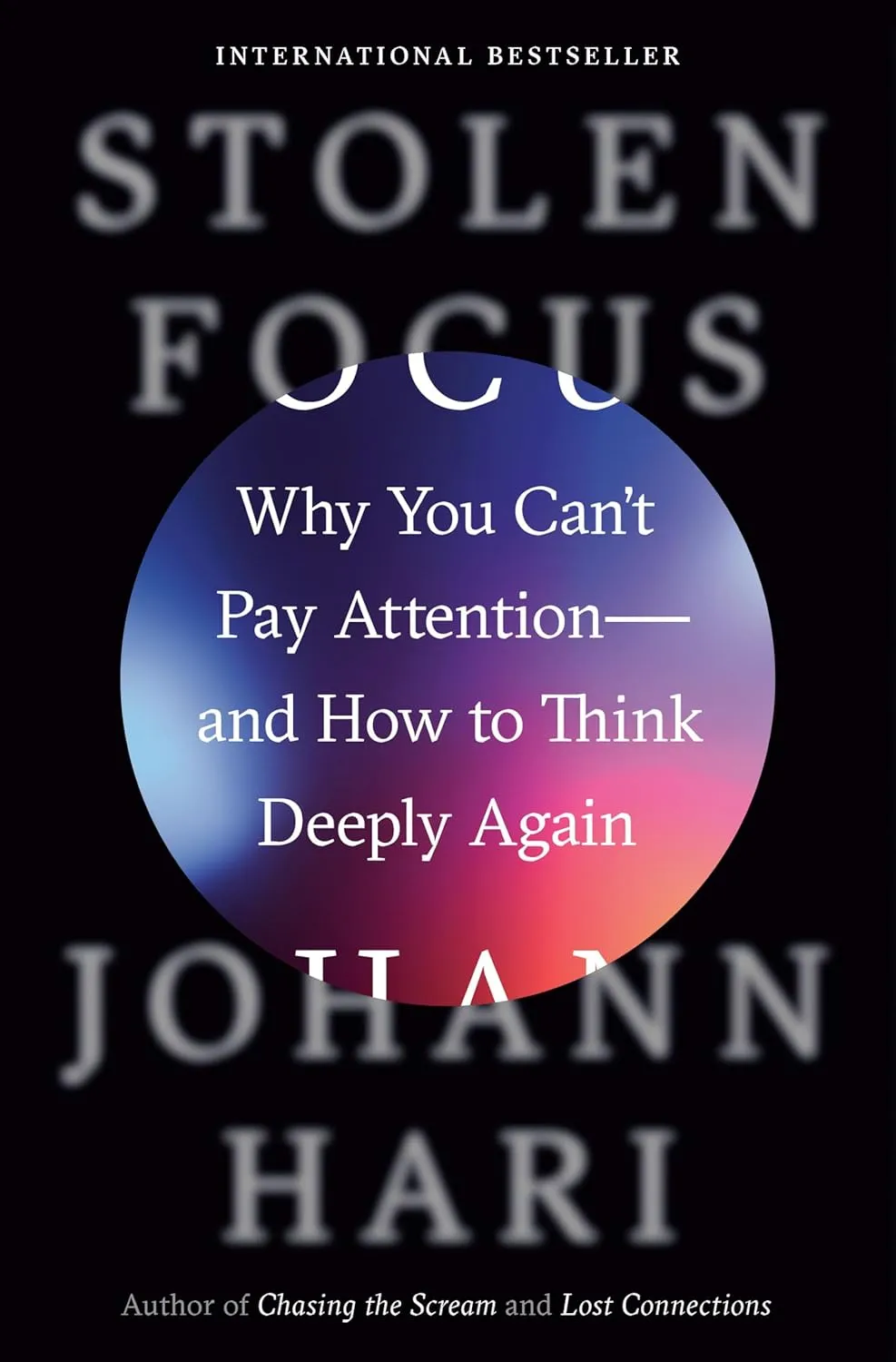
Stolen Focus by Johann Hari
This book helped me frame my thinking about attention in the modern world of ubiquitous screens, internet, and intelligence. I’m particularly concerned by some research it discusses, which found that increasing the amount of information exposure alone is enough to damage people's attention spans. Information overabundance thus poses a serious problem for pro-human design.

Unreasonable Hospitality by Will Guidara
It might seem strange to have a book about the restaurant industry here, but I find the hospitality industry to be an excellent mental model for experience design. While so much UX work is focused on extracting value from users via conversions, retention, and other metrics, Unreasonable Hospitality reminds me that the people using digital products are our guests. Treating them with more hospitality than expected enriches both their experience and ours.
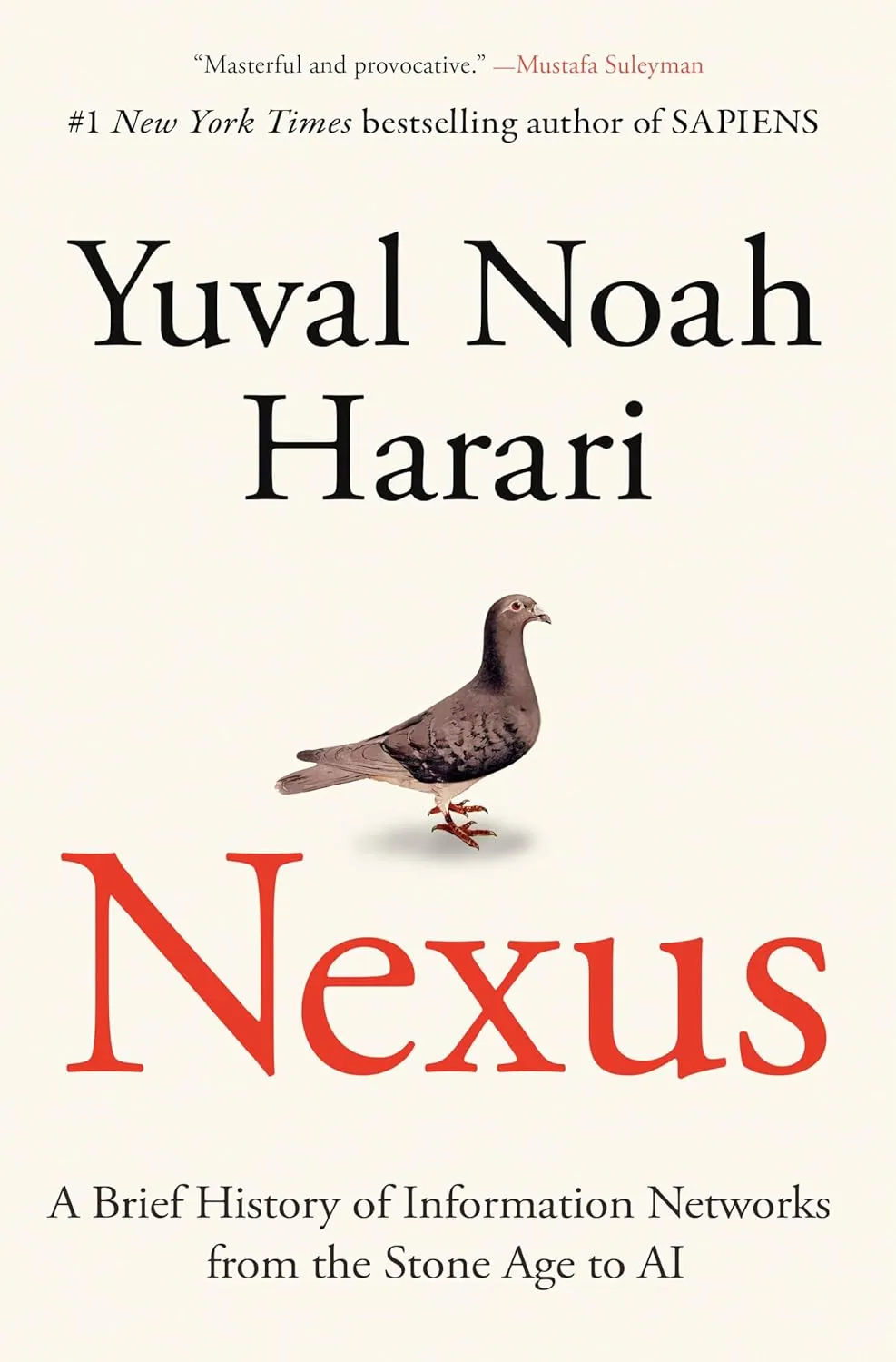
Nexus by Yuval Noah Harari
This book delves into the role of information technologies in history, leading up to the current popularization of artificial intelligence. The idea of collective myths as "technologies" encourages imagining what other seemingly mundane aspects of life were, in fact, pivotal moments in humanity's development — and what new subtle technologies we might design to solve this generation's challenges.
Photography

San Antonio, 2026
Austin, 2026

Pittsburgh, 2024
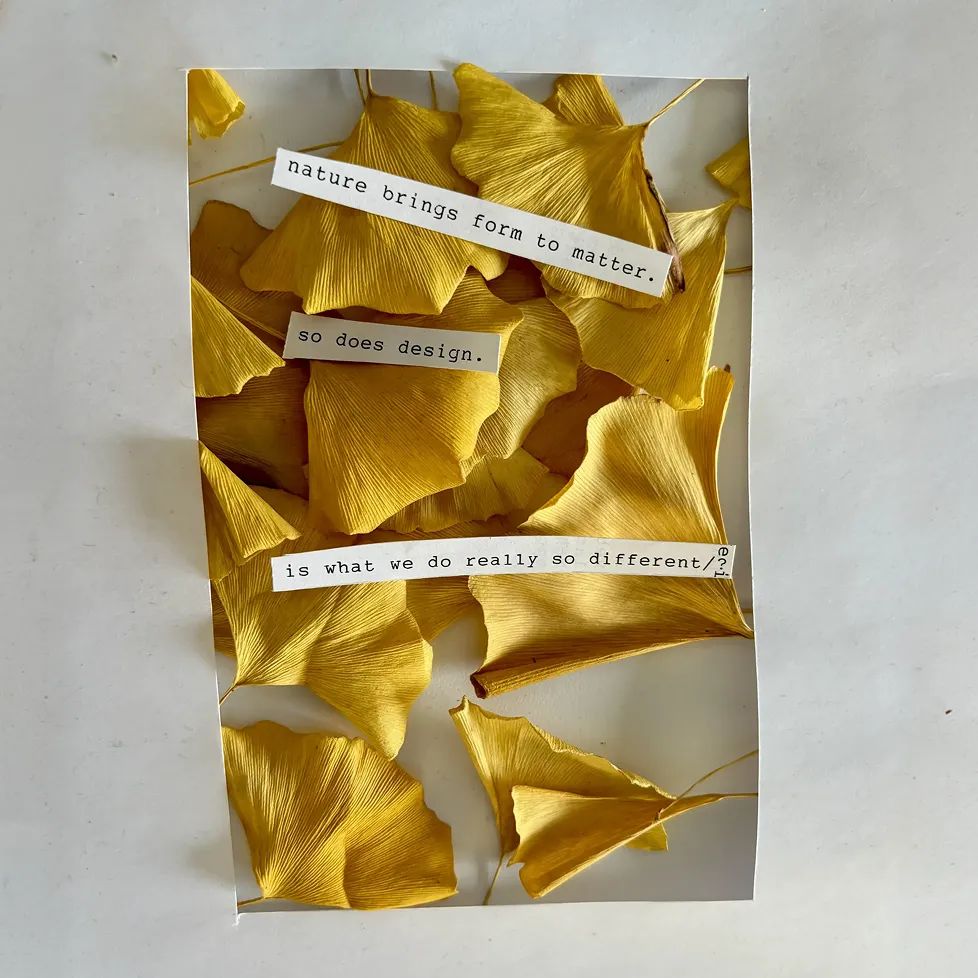
Pittsburgh, 2024
Pittsburgh, 2024

San Antonio, 2025
Amsterdam, 2022

Dublin, 2022

Pittsburgh, 2024
San Antonio, 2026
Things I’m thinking about
Attentional dignity
In the modern world, we are presented with more information than we can consume. More than ever, information gets made, gets distributed, and persists. And yet, our attention and our capacity for consumption are limited. Respect for others’ autonomy and attentional well-being is thus a core value for the design of modern information-distributing content, products, and services.
Humanity, for its own sake
I’ve been a part of several discussions, in companies and academia, about how (or whether) we should use AI. My response to these questions is that in more situations than we realize, we are the point. Every communication and interaction is ultimately a connection to a person. AI should therefore be used intentionally and selectively to preserve, facilitate, and enrich these human relationships.
Life is IRL
I design things that appear on screens. And yet, these things only carry lasting meaning for people when they change something in real life. Thus, well-designed screen-based experiences are not complete until something about the user’s real life has been improved or maintained. Consumption alone is not enough — it must fuel transformative growth.
Other project
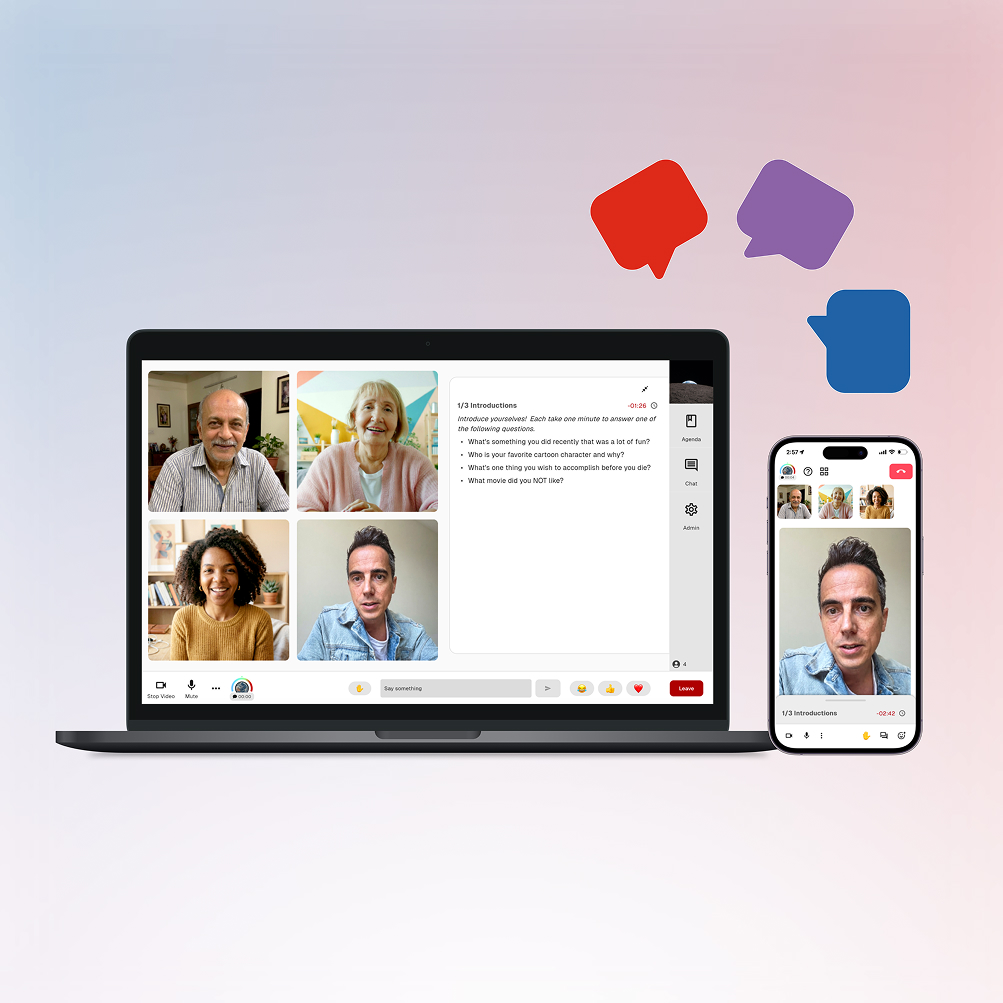
CommCoach: AI Soft Skills App Concept
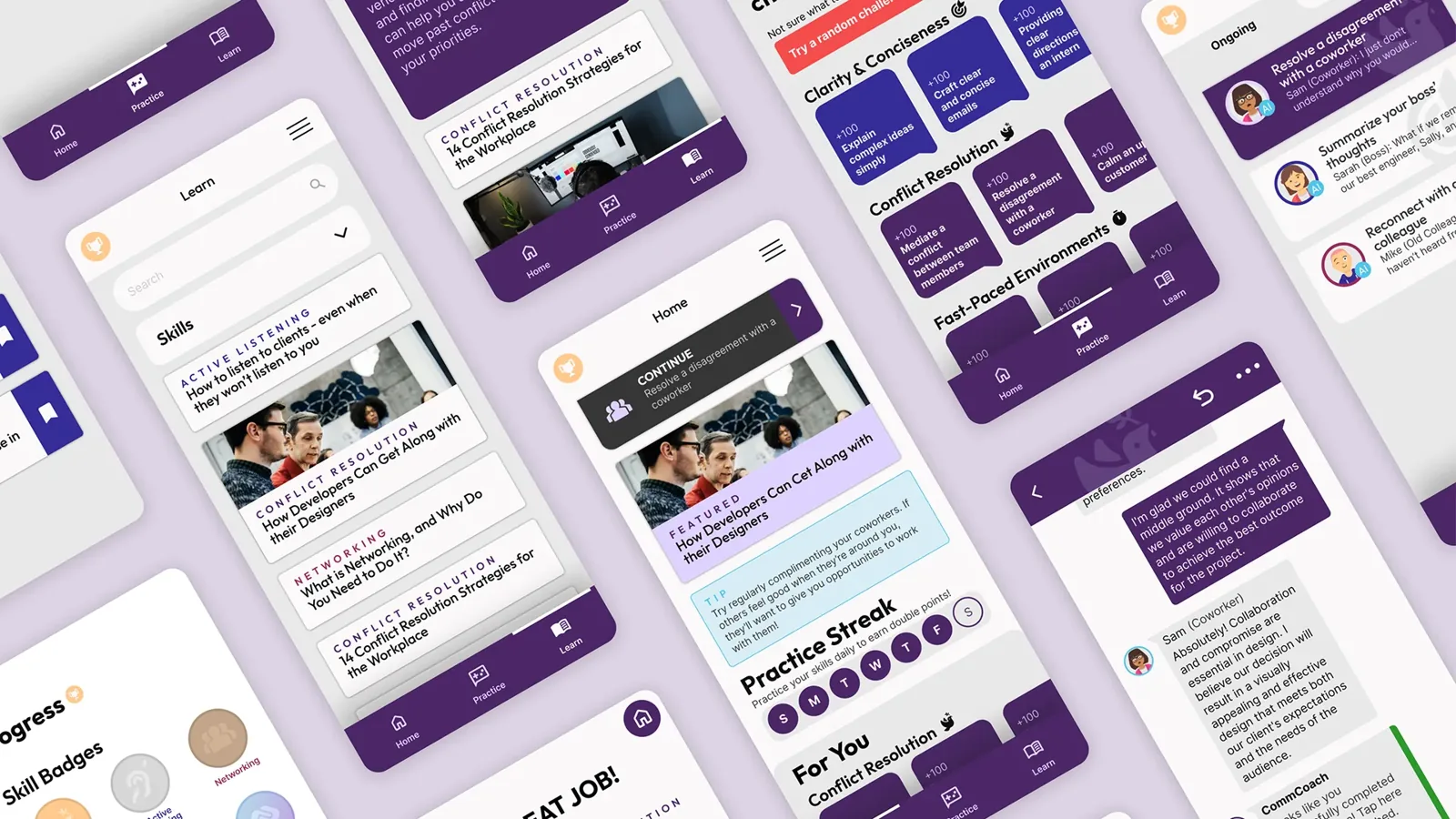
Working professionals need soft skills to advance their careers, but remote work leaves fewer chances to practice them. CommCoach is a mobile app prototype that helps people build those skills through roleplay conversations with an AI chatbot and gamified feedback loops.
Following a double-diamond process, I worked with a small team to interview 17 professionals, run a comparative analysis, and lead an ideation workshop, then took the concept from wireframes to an interactive high-fidelity prototype, testing at each level of fidelity.
Other project
Accessible Web Redesign with UXSA
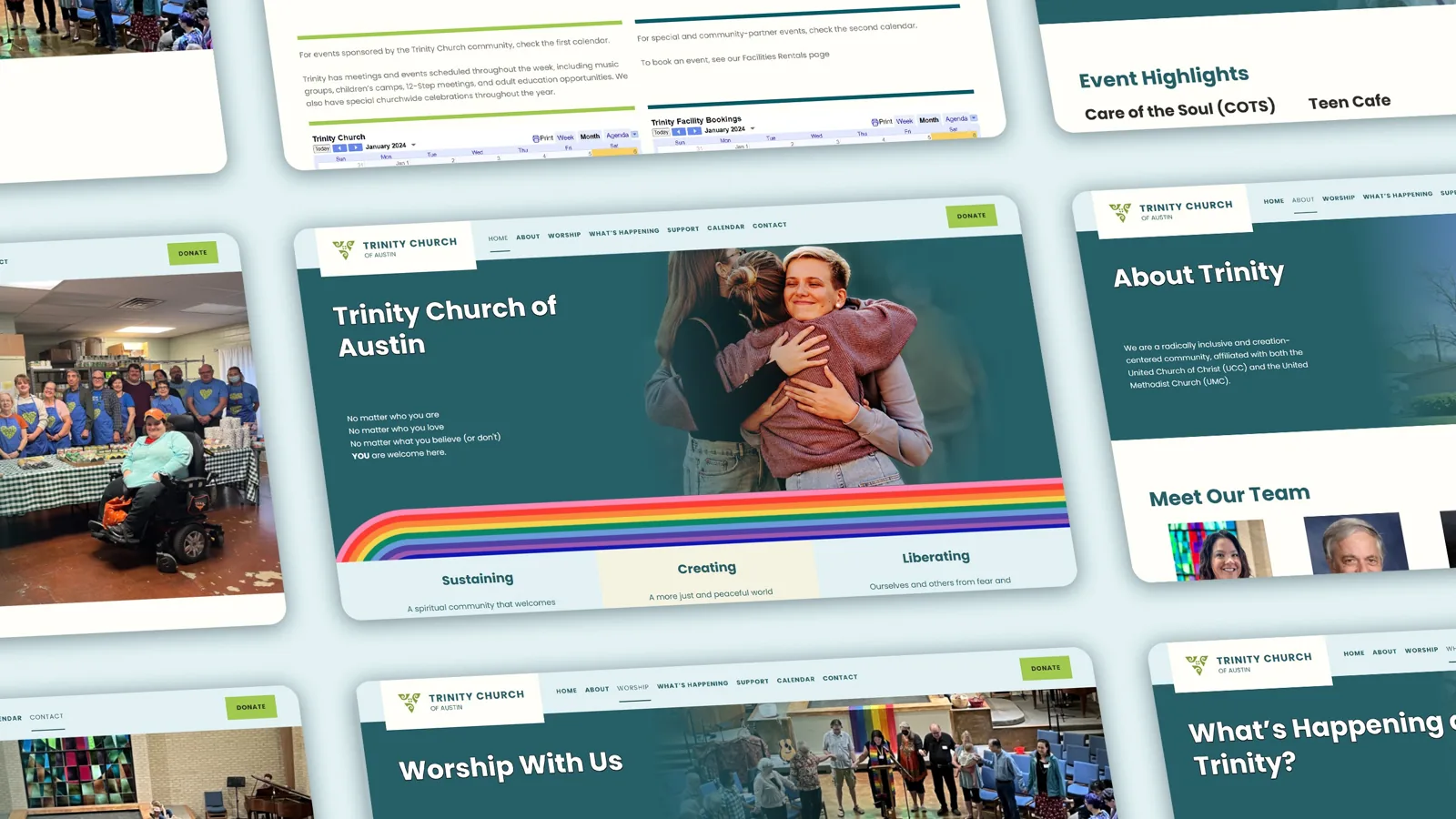
I volunteered as a designer and project co-manager on User Experience San Antonio’s team for the 2023 Knowbility Accessibility Internet Rally (AIR), a competition to design and build accessible websites for local nonprofits. Our client was Trinity Church of Austin, a small LGBTQ-inclusive church looking for a fresh, usable site that worked for staff, elderly members, and the young families it hoped to welcome.
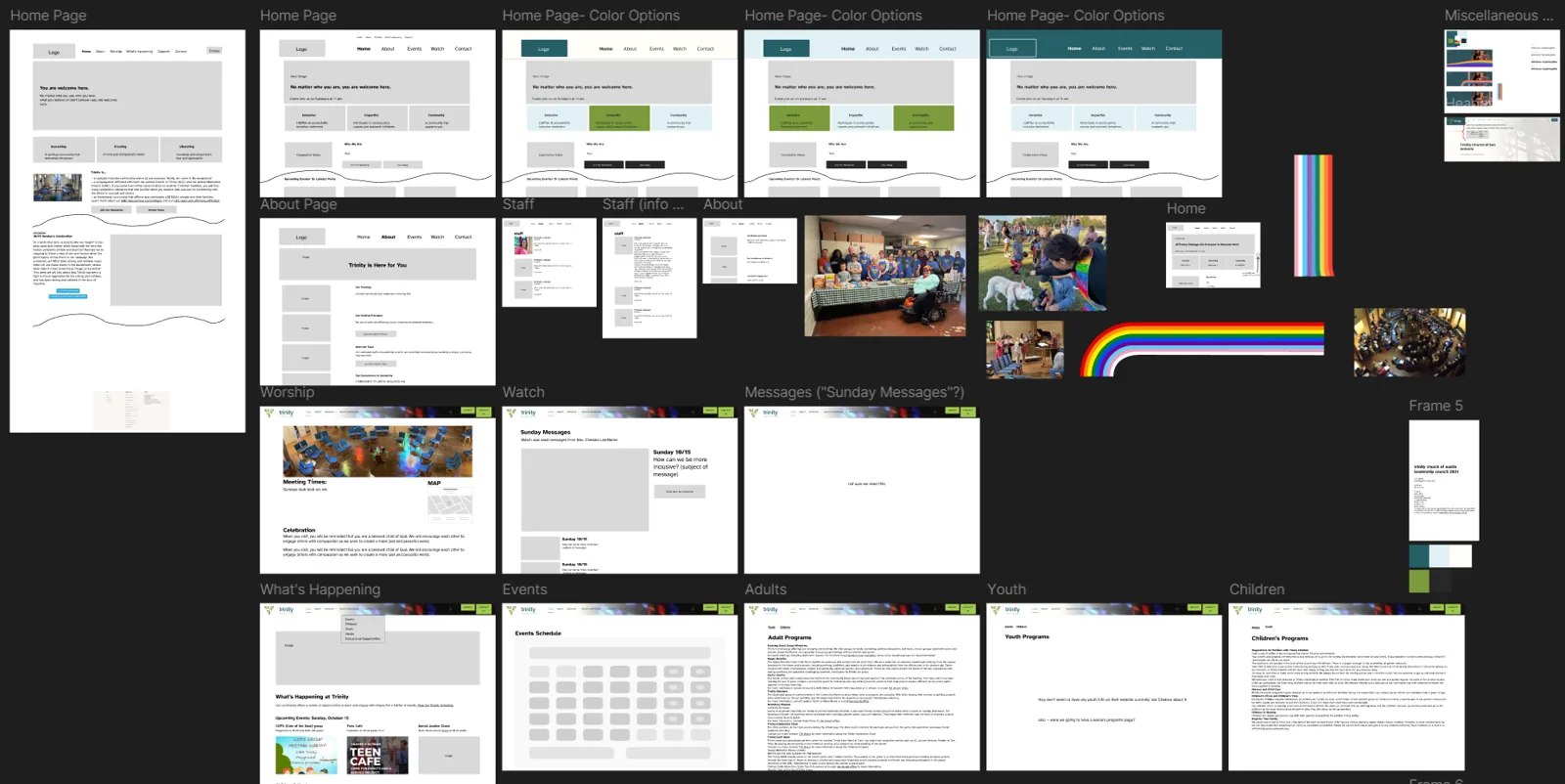
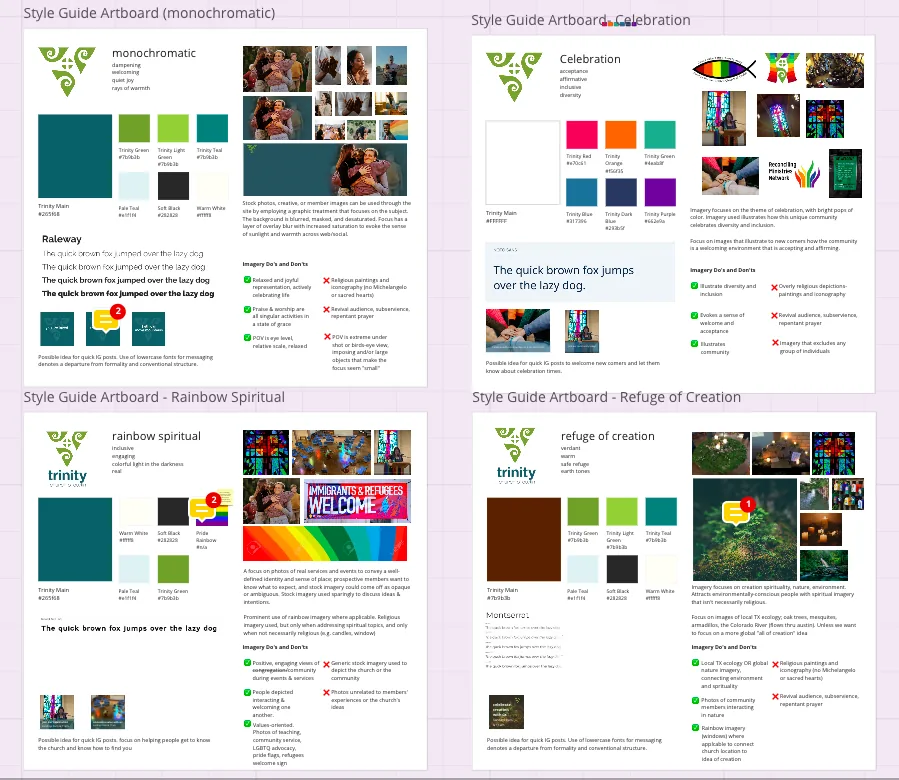
Over three months, we interviewed our client, defined user archetypes, wireframed and styled six core pages in Figma, built the site in WordPress, and tested it with automated accessibility checkers. Our project won 2nd place in AIR 2023.